Worker Exposure and Bioaerosol and Treatment Process Surveillance
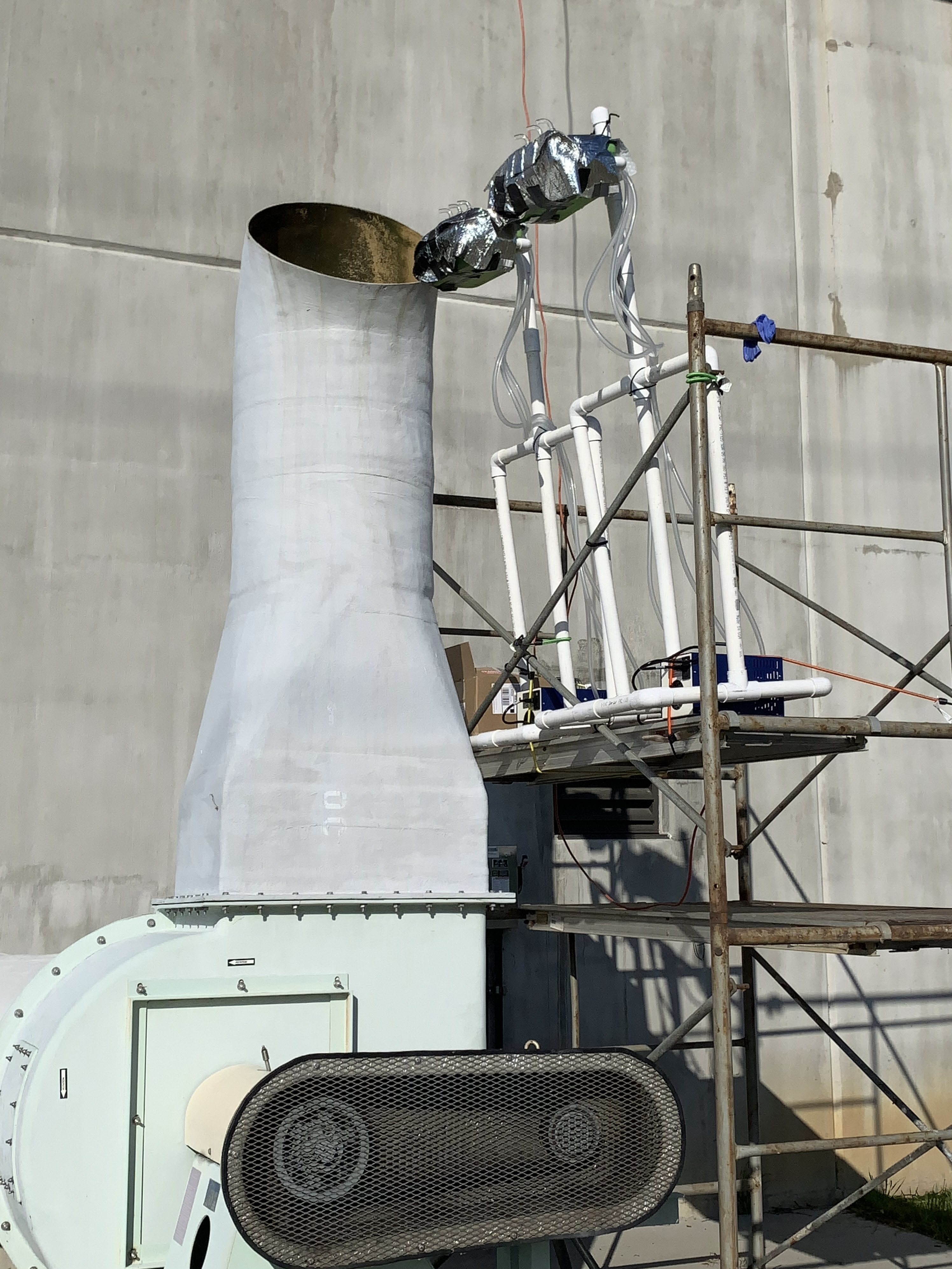
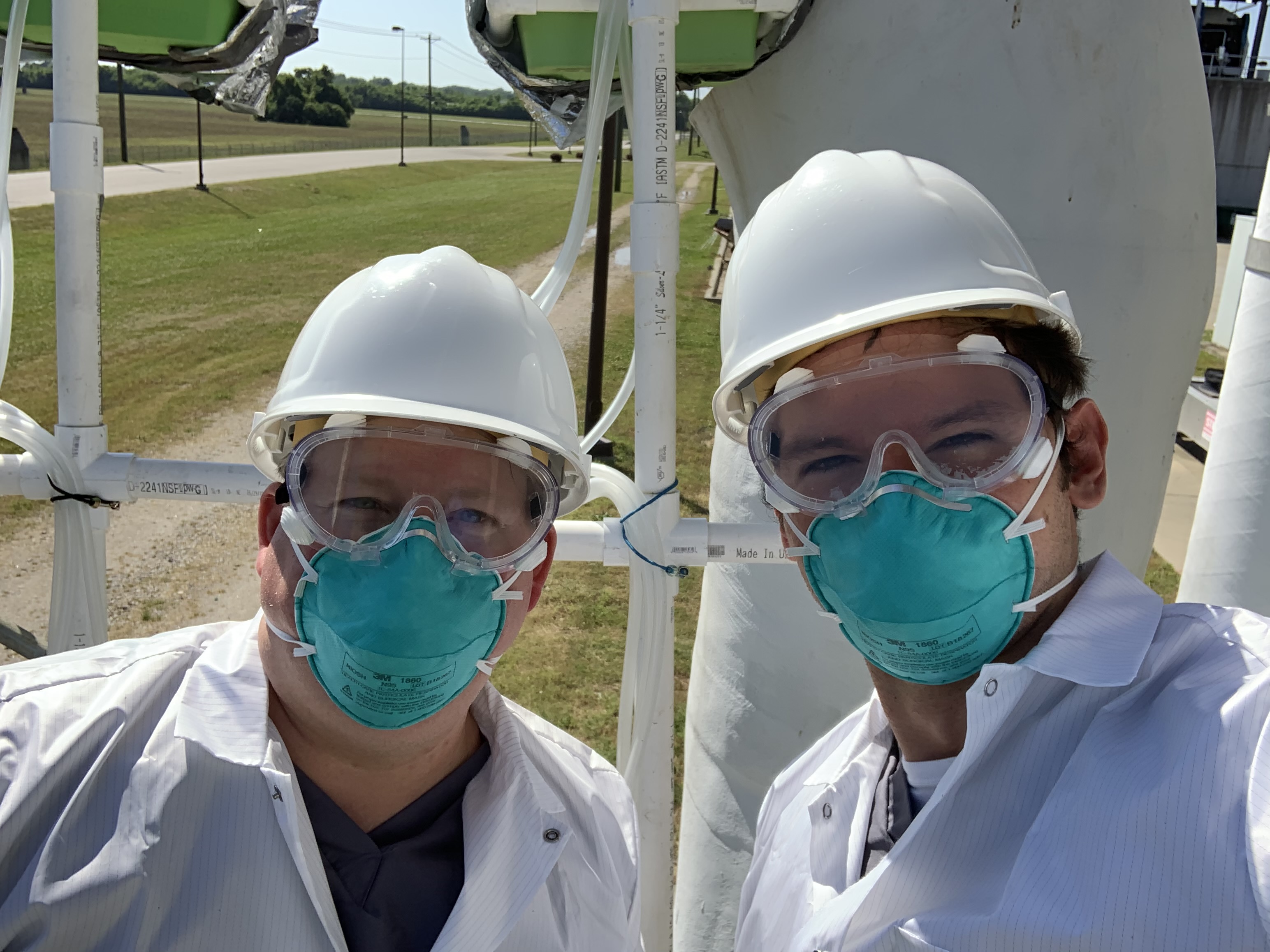
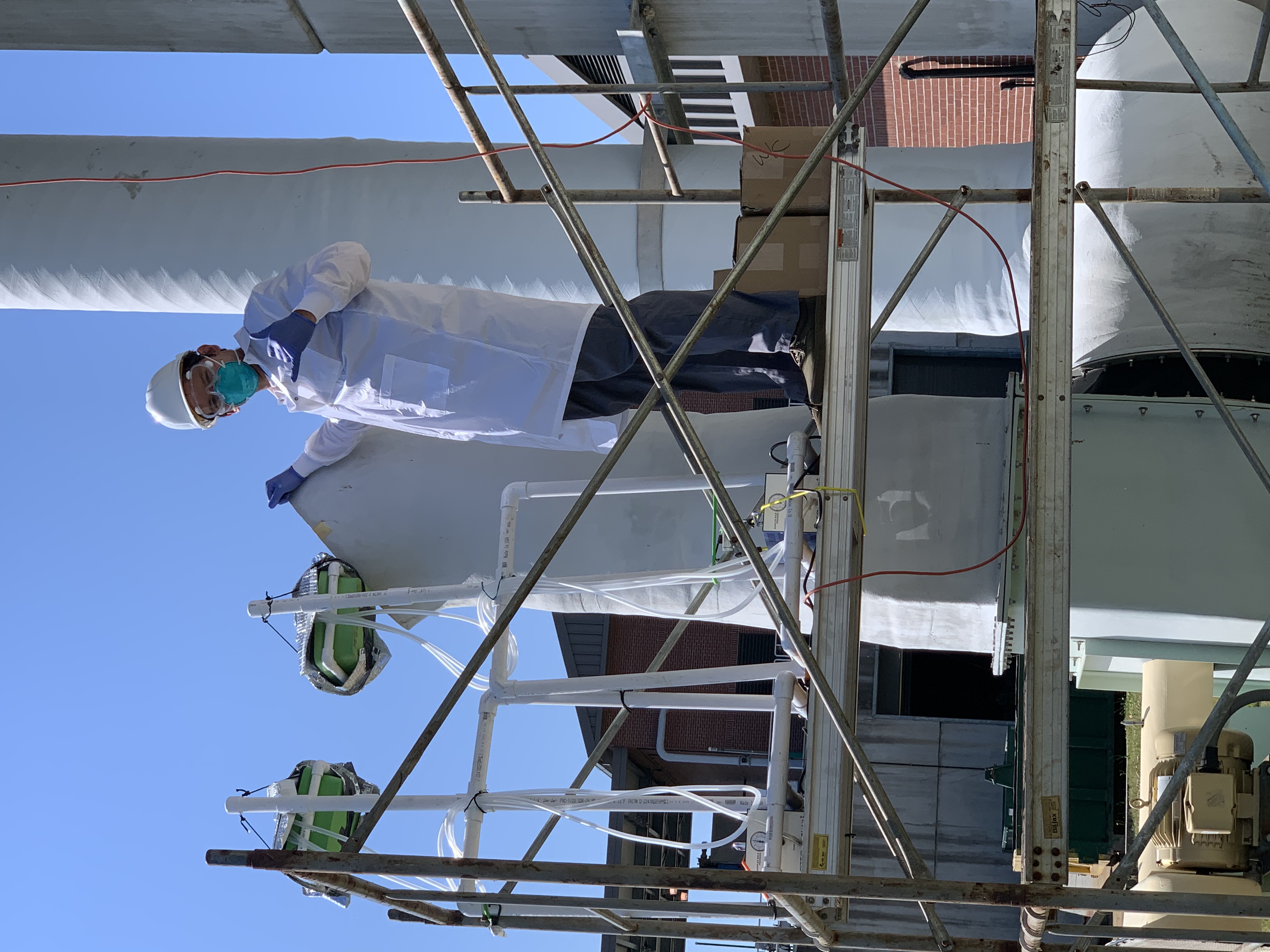
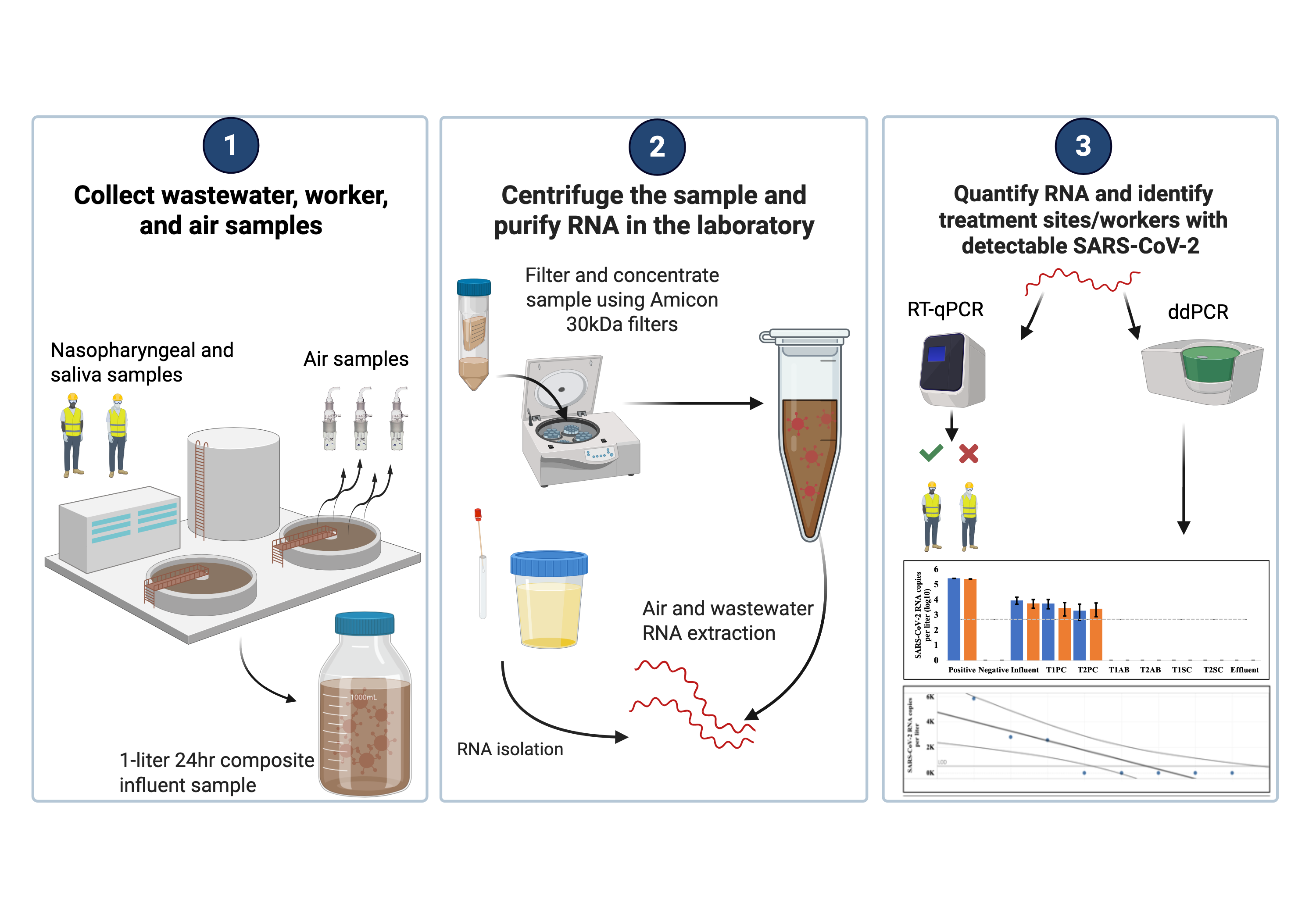
In this work, we used the quantification of viral RNA markers to demonstrate the efficacy of the WWTP in the removal of SARS-CoV-2. Across three timepoints and varying levels of viral load in the influent, the WWTP in this study successfully reduced SARS-CoV-2 RNA markers to below detectable levels before the treated water exited the WWTP, thus suggesting minimal potential release of SARS-CoV-2 into effluent-receiving waters, some of which see heavy recreational use. The significant decrease in SARS-CoV-2 RNA abundance during the treatment process also suggests a reduced likelihood of exposure to the virus for the wastewater workers, although additional experiments are necessary to assess infectivity risk to workers. Additionally, the bioaerosol experiment which was designed to replicate potential collective exposure during a typical shift showed that airborne exposure to SARS-CoV-2 is minimal. Infection rates of WWTP workers were similar to the infection rates of the surrounding community.
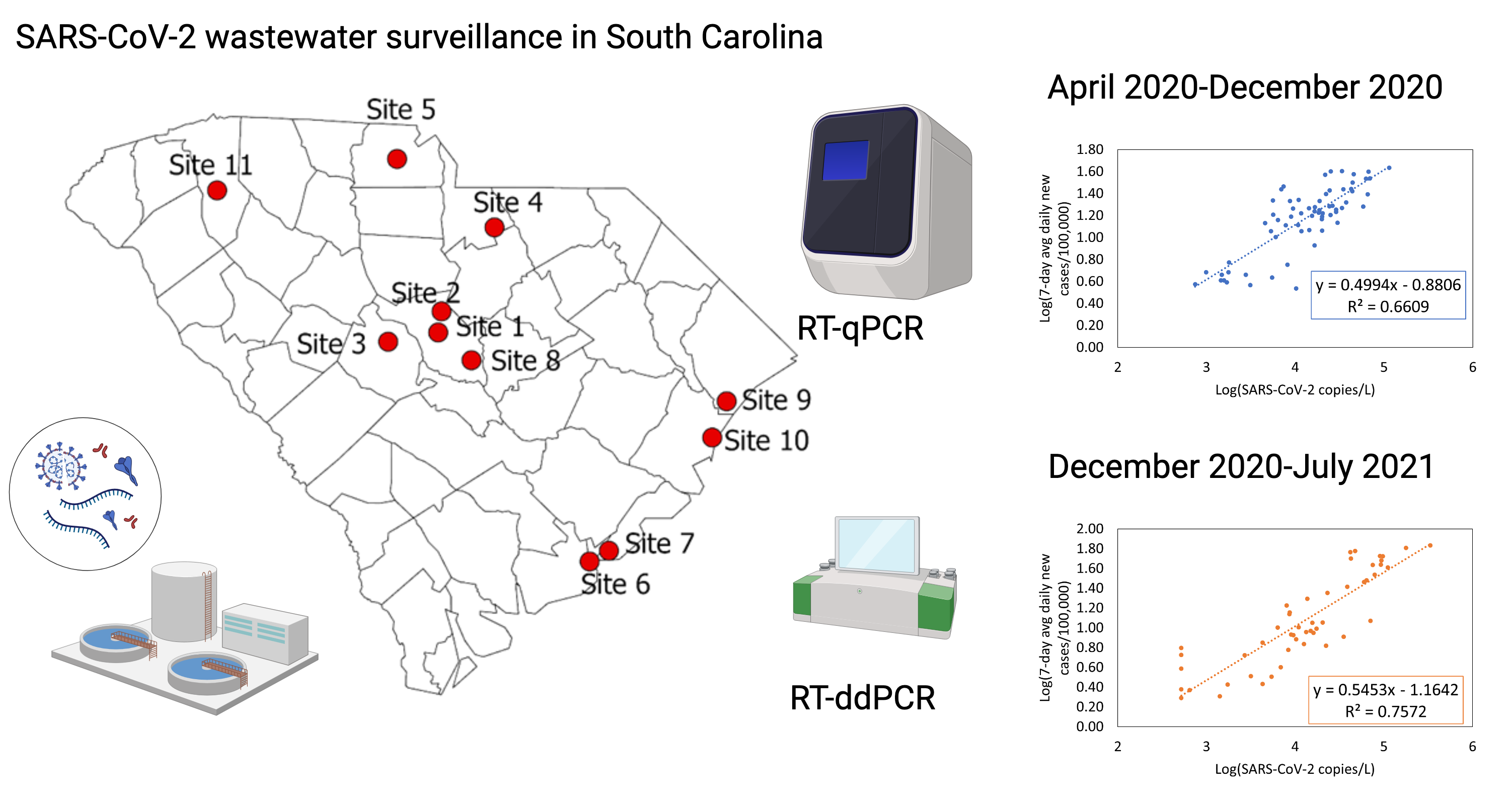
Statewide Wastewater Surveillance
This study represented one of the most comprehensive wastewater surveillance efforts in South Carolina, spanning five counties across the state and a period of 15 months. A consistent lag time of two days was observed between clinical case counts and SARS_CoV-2 concentration for six of the seven WWTPs, despite differences in average flow rate and size of population served, suggesting that for most WWTPs a forecasting window of at least two days is attainable. The SARS-CoV-2 concentration profiles over time from April to mid-December 2020 exhibited similarity for WWTPs with similar infection rates (total cases per 100,000 individuals). Comparison of the Pearson's correlation between the SARS-CoV-2 concentration in wastewater and the daily COVID-19 case count suggested that a strong correlation (Pearson's correlation > 0.7) requires a minimum ratio of population served to average flow rate.
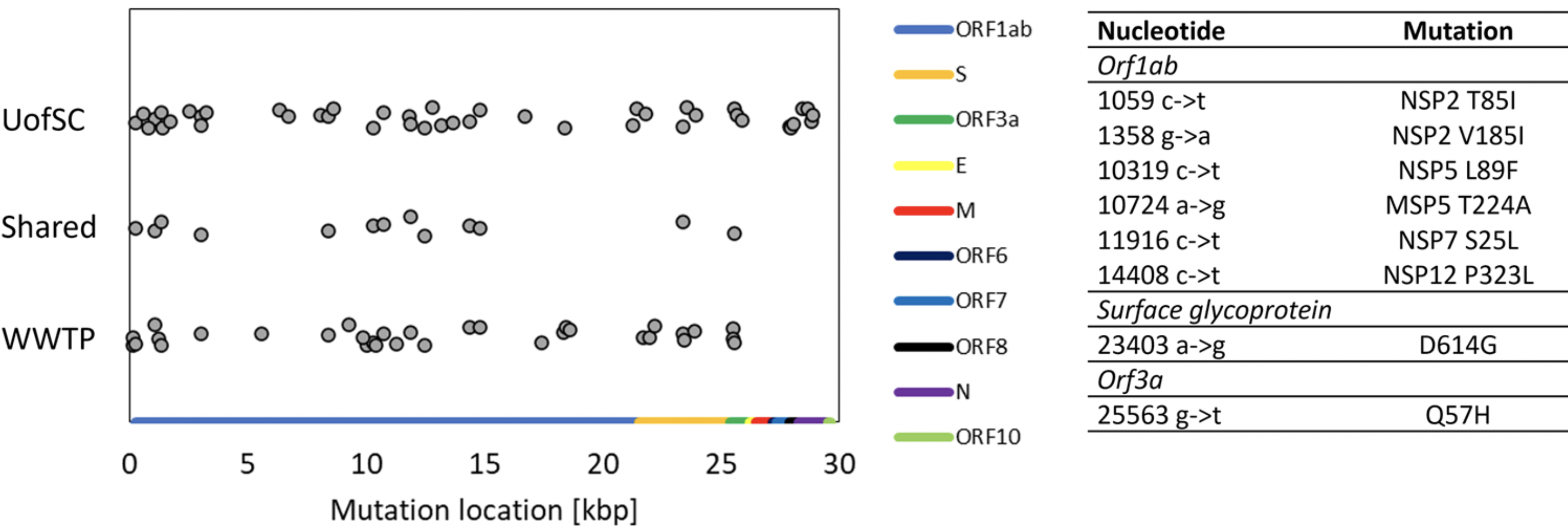
SARS-CoV-2 Genomic Surveillance
Although many publications have compared clinical sequence data to wastewater data, this work represents one of the few studies to compare wastewater data collected from localized sampling at a university to WWTP influent from the greater metropolitan area. This work affirms a close relationship between SARS-CoV-2 sequences from the student body of a university and those of the greater surrounding metropolitan area. Thirteen mutations were identified in both university and WWTP influent samples during September 2020. In addition, we found ten concurrent mutations unique to the localized university sampling that were strongly indicative of a 20G outbreak on campus. Therefore, strategic localized sampling at potential hotspots offers distinctive advantages compared to WWTP influent sampling, such as increased sensitivity in detecting SARS-CoV-2 variants. Relative to sequencing clinical samples or WWTP influent, sequencing at the building level affords a balance between sensitivity and cost.